
Key facts
- Georgia State Patrol Troopers and Commercial Vehicle Enforcement Officers will conduct high-visibility patrols on interstates and secondary roads during the 102-hour Thanksgiving holiday travel period, which runs from Wednesday, November 25, at 6:00 p.m., to Sunday, November 29, at 11:59 p.m.1
- Motorists should follow these safety tips: buckle up, never drive impaired, obey posted speed limits, eliminate distractions.1
- Motorists should adjust their speed for traffic and weather conditions, the Georgia Department of Public Safety said.1
The Georgia Department of Public Safety (DPS) reminds drivers to make safety a priority as motorists prepare for Thanksgiving holiday travel.1
Georgia State Patrol (GSP) Troopers and Commercial Vehicle Enforcement (CVE) Officers will conduct high-visibility patrols on interstates and secondary roads, focusing on impaired driving, speeding, seatbelt violations, distracted driving, and other unsafe driving behaviors.1
The 102-hour Thanksgiving holiday travel period begins Wednesday, November 25, at 6:00 p.m., and ends Sunday, November 29, at 11:59 p.m.1
AAA Travel Projections And Last Year’s Fatal Crashes
AAA projects that at least 72.9 million people will travel by car, nearly 90 percent of Thanksgiving travelers.1
Last year, 11 fatal crashes resulted in 12 fatalities statewide, with GSP Troopers investigating five of those crashes.1
Colonel William W. Hitchens, III, is Commissioner of the Georgia Department of Public Safety.1
“Thanksgiving is a time for families and friends to come together and one of the busiest travel periods of the year,” Hitchens said. “Motorists are encouraged to plan ahead, allow extra travel time, and make safety a priority throughout the holiday weekend. We want everyone to arrive at their destinations safely.”
Safety Tips For Motorists
Motorists should follow these safety tips: buckle up, never drive impaired, obey posted speed limits, eliminate distractions, keep a safe following distance, plan ahead, avoid driving while fatigued, and share the road safely.1
Motorists should ensure all occupants wear seat belts and that children under eight are properly secured in age- and size-appropriate car seats or booster seats.1
Motorists should designate a sober driver or arrange alternative transportation if consuming alcohol or other impairing substances.1
Motorists should adjust their speed for traffic and weather conditions.1
Motorists should allow adequate space between vehicles to react to sudden stops or changing traffic conditions.1
Motorists should get adequate rest before traveling, take breaks during long trips, and never drive when drowsy.1
Motorists should stay out of large trucks' blind spots, avoid abrupt lane changes, and allow adequate space when passing commercial vehicles.1
Reporting Emergencies And Impaired Driving
Motorists experiencing a roadway emergency or involved in a crash should call 911.1
To report suspected impaired or reckless driving, dial *GSP.1
The Department of Public Safety will update the holiday traffic enforcement count on its official social media platforms throughout the holiday weekend.1
With increased traffic expected throughout the holiday weekend, DPS encourages motorists to remain alert, allow additional travel time, and exercise patience on the roadways.1
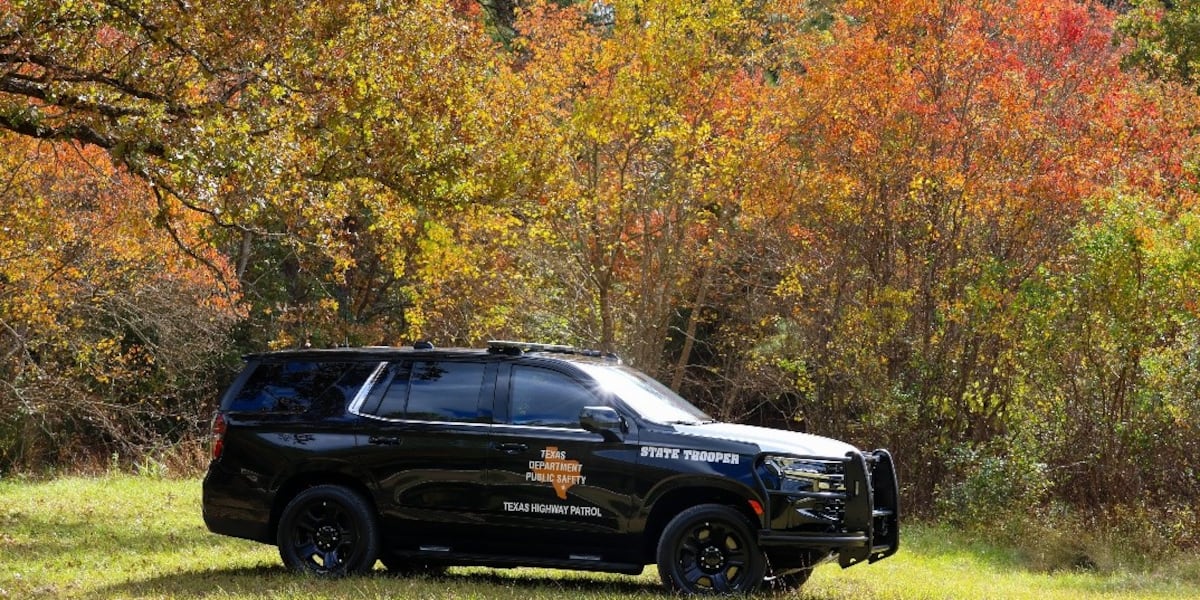
The Texas Department of Public Safety announced that the agency will increase patrols statewide during Thanksgiving week.2
The Texas DPS enforcement period runs from Wednesday, Nov. 25, through Sunday, Nov. 29.2
Texas Highway Patrol troopers will also be on watch for seat belt violations.2